Artificial intelligence is changing how people search, read, shop, and interact online. Search engines are becoming more conversational, AI tools are generating direct answers, and businesses are adjusting their digital strategies to remain visible.
For marketers and business owners, this shift raises important questions. How does AI affect search rankings? Will traditional SEO still matter? What is Answer Engine Optimization (AEO)? And how can businesses stay competitive in this changing environment?
The future of digital marketing will depend heavily on how businesses adapt to AI-powered search systems, conversational platforms, and user-focused content strategies.
This is why topics such as ChatGPT SEO, AEO vs SEO, AI in digital marketing, and generative engine optimization are receiving so much attention in 2026.
Why AI Is Changing Search Behaviour
Search behaviour has become more conversational over the last few years. Instead of typing short phrases, users now ask detailed questions such as:
- “What are the best SEO strategies for local businesses?”
- “How can I improve website traffic without paid ads?”
- “Which digital marketing agency is best for startups in Delhi?”
Instead of only providing links to websites, AI solutions like ChatGPT, Google Gemini, and Microsoft Copilot offer immediate responses.
This means businesses must optimise their content differently if they want to stay visible in AI-generated answers.
According to Gartner, traditional search engine traffic may decline as AI-powered conversational search becomes more common.
What Is ChatGPT SEO?
ChatGPT SEO refers to creating content that performs well in AI-assisted search environments and conversational search tools.
Traditional SEO focused heavily on:
- Keywords
- Backlinks
- Metadata
- Technical optimisation
These elements still matter, but AI systems now prioritise:
- Helpful answers
- Clear explanations
- Structured information
- Topical authority
- User intent
- Content credibility
This means your content should answer real questions naturally rather than repeating keywords excessively.
Google’s Helpful Content guidelines strongly support content written for people first.
AEO vs SEO
Many businesses are now discussing AEO vs SEO, but these strategies are connected rather than competing.
What Is SEO?
SEO (Search Engine Optimization) focuses on improving rankings in traditional search engine results.
SEO strategies include:
- Keyword optimisation
- Technical SEO
- Backlink building
- Content marketing
- Mobile optimisation
- Page speed improvements
What Is AEO?
AEO (Answer Engine Optimization) focuses on helping AI systems and answer engines provide your content directly as responses.
AEO aims to:
- Answer questions clearly
- Improve featured snippet visibility
- Structure information properly
- Use conversational language
- Support voice search optimisation
In simple terms:
- SEO helps users find your website
- AEO helps AI systems use your content in answers
This is why understanding AEO vs SEO is becoming important for modern businesses.
What Is Generative Engine Optimization?
Generative engine optimization is a newer concept linked to AI-generated search experiences.
Instead of only ranking webpages, businesses now optimize content for AI-generated summaries and conversational responses.
This involves:
- Publishing expert-driven content
- Using clear formatting
- Building strong authority signals
- Adding trustworthy citations
- Creating detailed topical coverage
- Improving structured data
AI systems often prefer content that is:
- Well-organised
- Fact-based
- Easy to summarise
- Updated regularly
This makes generative engine optimization highly relevant for businesses that want long-term online visibility.
AI in Digital Marketing Is Expanding Quickly
The role of AI in digital marketing now goes beyond search optimization.
Businesses use AI for:
- Content generation
- Ad targeting
- Customer support
- Email automation
- Data analysis
- Chatbots
- Audience segmentation
- Predictive marketing
According to McKinsey, organisations adopting AI-driven marketing strategies often improve productivity and customer engagement more efficiently than businesses relying solely on manual processes.
How AI Improves Content Marketing
AI tools can support marketers by helping with:Topic research
- Keyword suggestions
- Content outlines
- Audience analysis
- Content optimisation
However, AI-generated content still requires human review.
Google has clarified that content quality matters more than how content is produced. Poor-quality AI content written only to manipulate rankings may still perform badly.
This means businesses should focus on:
- Accuracy
- Originality
- Expertise
- Practical value
Voice Search and Conversational Queries Are Growing
Voice search continues to increase because of smartphones and smart assistants.
Users now search using complete questions instead of short phrases.
For example:
- “How do I improve my website ranking?”
- “What are the best SEO tools for beginners?”
This shift directly affects both ChatGPT SEO and AEO vs SEO strategies.
To improve conversational search visibility:
- Use FAQ sections
- Write in natural language
- Answer questions directly
- Use clear headings
- Optimise for featured snippets
Voice search optimization has already become a major focus in modern SEO planning.
Technical SEO Still Matters
Even with AI-powered search, technical SEO remains essential.
A strong website should still include:
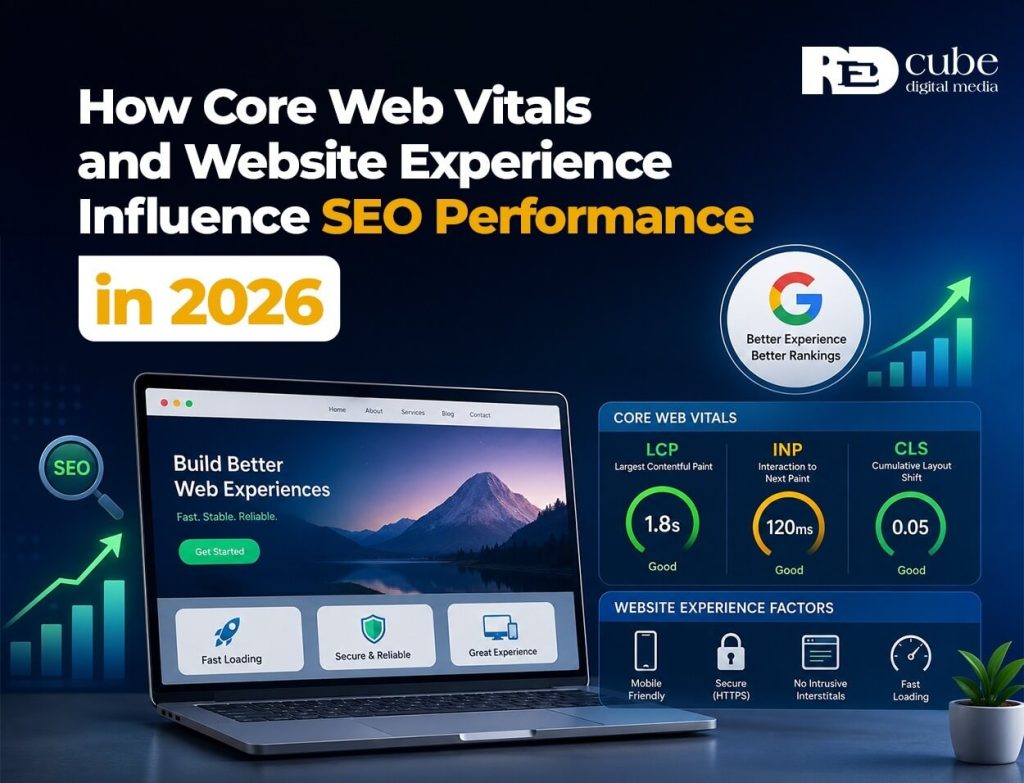
- Fast loading speed
- Mobile-friendly design
- Secure HTTPS setup
- Internal linking
- Schema markup
- Crawlable pages
Google continues to prioritise user experience and website performance.
Research from Google shows that users are more likely to leave websites that load slowly.
This means AI search does not replace technical SEO. Instead, both work together.
Human Trust Is Becoming More Important
As AI-generated content increases online, trust becomes even more valuable.
Users want content that feels:
- Reliable
- Clear
- Accurate
- Experience-based
Google’s E-E-A-T principles (Experience, Expertise, Authoritativeness, Trustworthiness) continue to influence visibility.
This is why businesses should include:
- Expert opinions
- Real examples
- Verified statistics
- Updated information
- Transparent authorship
Strong trust signals help both traditional SEO and generative engine optimization.
Challenges Businesses May Face
AI also creates challenges for marketers.
Some common concerns include:
- AI-generated misinformation
- Declining organic clicks
- Increased content competition
- Search result changes
- Content originality concerns
The positive side is that businesses producing genuinely useful content still have strong opportunities to grow online.
Quality remains one of the most important ranking factors.
Why Businesses Should Adapt Early
Businesses that understand AI-driven search early may improve visibility faster than competitors relying only on older SEO methods.
A balanced strategy should include:
- Traditional SEO
- AEO optimisation
- Helpful content creation
- Technical SEO
- Conversational search optimisation
- User-focused website design
At RedCube Digital, the focus remains on practical SEO and digital marketing strategies that adapt to changing search trends while keeping content useful for real users.
Insights into evolving search behaviour, content strategy, and voice search trends already form part of RedCube’s digital marketing approach.
The Final Note
The future of search and digital marketing will continue changing as AI systems become more advanced. Topics such as ChatGPT SEO, AEO vs SEO, AI in digital marketing, and generative engine optimization are already influencing how businesses create and optimise content.
Traditional SEO still matters, but businesses must now prepare for conversational search, AI-generated answers, and user-focused content experiences.
If you want your business to stay visible in evolving search environments, RedCube Digital can help you create stronger SEO and digital marketing strategies designed for modern search behaviour.
FAQs
What is ChatGPT SEO?
A. ChatGPT SEO refers to creating content that performs well in conversational AI search systems and AI-generated search experiences.
Q2. What is the difference between AEO vs SEO?
A. SEO focuses on ranking webpages in search results, while AEO focuses on helping answer engines provide direct responses from your content.
Q3. What is generative engine optimization?
A. Generative engine optimization involves optimising content for AI-generated summaries and conversational search responses.
Q4. How is AI used in digital marketing?
A. AI in digital marketing supports content creation, audience targeting, automation, analytics, customer service, and search optimization.
Q5. Will AI replace SEO completely?
A. No. Traditional SEO still remains important, especially technical SEO, content quality, backlinks, and user experience optimization.